I’ve been giving a lot of thought to snacks lately, particularly with the kids. It seems like every time we’re at the checkout line, there’s an entire wall of brightly colored lollipops just waiting for us. And they always ask. Always. A part of me says, “What’s the big deal? It’s just a little fun.” But another part of me is wondering what’s really in them. So I just... looked into it. Not like a scientist or anything, just a mom trying to make sense of the world of sweets.
Understanding the Ingredients of Lollipops
So, the first thing I did was actually look at what's in a lollipop. I mean, it seems simple, right? It's just sugar on a stick. But when you get down to it, there's a little more going on.
The Role of Sugar in Lollipops
Okay, no shock there; the first ingredient is sugar. A lot of sugar. It’s either the regular table sugar or that famous high fructose corn syrup that everyone’s always talking about. It’s what gives it the sweetness, of course, and a little bit of it isn’t going to kill you. But boy, it adds up quickly.
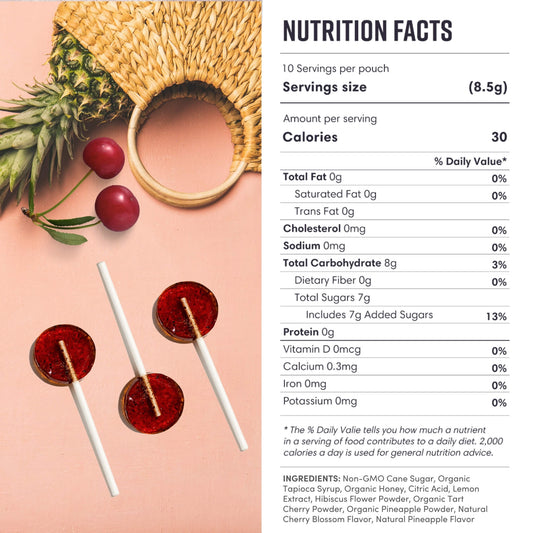
I looked at a label the other day, and a single, average-sized lollipop can have anywhere from 5 to 10 grams of sugar. To me, that seems like a lot for something that small, especially if you’re eating more than one of them. I know some companies are starting to use other ingredients, like stevia, which is kind of cool. A way to get the sweetness without all the... well, sugar.
Artificial Flavors and Colors: What You Need to Know
And then there are the colors and flavors. That wacky blue or that neon green? Yeah, that’s not exactly what you’d find in a fruit garden. That’s all just artificial, and I used to not give it a second thought. But then I started reading about how some kids can be really sensitive to some of those dyes, and how they might even be related to hyperactivity. It just gives you pause, you know?
Now I’m one of those people who actually squints at the small print on the back of the wrapper, looking for phrases like 'natural flavors' or colors derived from beets or carrots. It just feels a little better, I guess.
Nutritional Breakdown of a Lollipop
So I decided to dig a bit deeper, just to see what we're really talking about, nutritionally. Spoilers: it's not a whole lot.
Calories and Macronutrients
It's literally just empty calories from sugar. It’s pure carbohydrates, and it’s not the good, slow-burning kind you get from whole grains. I mean, it’s just quick energy that doesn’t really do anything for you. There’s no protein, no fat, nothing that really builds you up. Just... sugar.
Here’s a quick look at what I found for a pretty standard lollipop:
-
Calories: 30-50
-
Carbohydrates: 8-13 grams
-
Protein: less than 1 gram
-
Fat: 0 grams
Vitamins and Minerals in Lollipops
Vitamins and minerals? Oh, yeah, there aren't any. It's just not what lollipops are for. I have noticed some brands out there that are trying to "fortify" them with a little Vitamin C or something, which is a nice gesture, I guess. But it does kind of feel like they're trying to put a vitamin on a spoonful of sugar. At the end of the day, it's still just a sugary treat, and it probably shouldn't be where we're getting our nutrients from. It's just something that I have to remind myself of when my kids are begging for one.
Comparing Lollipops to Other Sweets
Then I started wondering, okay, so how bad is a lollipop, really? I mean, compared to all the other candy my kids could be asking for. It's all about context, right?
Lollipops vs. Chocolate: A Nutritional Perspective
My first thought was chocolate. I always kind of felt like chocolate was 'worse,' maybe because it has fat and more calories. And that's true, a milk chocolate bar is definitely heavier on the calorie side of things.
But then I remembered reading somewhere that dark chocolate, at least, has things like antioxidants from the cocoa. So... it has something good in it, which a lollipop just doesn't. It's weird, I used to think a lollipop was the 'lighter' choice, but now I’m not so sure it's the 'better' one. It's a different kind of treat, I guess, for a different mood.
How Do Lollipops Stack Up Against Gummy Candies?
And what about gummies? They seem pretty similar to lollipops, nutritionally speaking. Mostly sugar, not much else going on. I did find out that some gummies have gelatin, which is technically a protein, but it’s such a tiny amount it doesn’t really count for much. It’s not like it makes them a health food.
To me, they're kind of in the same boat. It really just comes down to what kind of sweet you're in the mood for, I suppose. Something chewy you finish fast or something hard that lasts a while.
The Impact of Lollipops on Oral Health
Okay, this is the part that really gets to me: the teeth. Our dentist is always talking about this, and it’s probably the biggest, most obvious downside for me.
Lollipops and Tooth Decay
It’s pretty simple, really. The sugar in the lollipop feeds the bad bacteria that live in our mouths, and that bacteria makes acid that eats away at tooth enamel. And just like that, you've got the perfect recipe for cavities.
What seems worse about lollipops is that they're in your mouth for so long. It's not like a cookie you chew and swallow in a minute. It's a slow, constant sugar bath right on your teeth. It kind of makes me cringe just thinking about it. That's why if my kids do have one, it's tooth-brushing time right after. No exceptions. I've also seen some lollipops made with something called xylitol, which I've heard is actually better for teeth, so I'm trying to look for those more.
The Link Between Lollipops and Oral Health Issues
And it's not just about cavities. All that sugar can lead to plaque buildup, which can mess with your gums and cause other problems down the road. It’s a whole chain reaction. It’s just one of those things you have to be really mindful of, especially with kids whose dental habits are still a work in progress, you know?
Making Healthier Choices: Alternatives to Lollipops
So, after all that, I've been on a mission to find some better options. Ways to satisfy that sweet craving without going straight for the sugar bomb.
Fruit-Based Sweet Treats
"Fruit" is the obvious answer, right? Making our own fruit popsicles has been a total game-changer in our house. You just blend up some berries and maybe a little yogurt or coconut water, and freeze them in molds. The kids get that fun, lollipop-on-a-stick experience, but it's full of actual nutrients and fiber from the fruit. Dried fruit can also work in a pinch, but I try to remember that it's still a really concentrated source of sugar.
Sugar-Free Candy Options
There are a ton of sugar-free candies out there now, which is great. They can really hit the spot. I just make sure to check what they're sweetened with. Some of those sugar alcohols can be a little... rough on some people's stomachs, if you know what I mean. So it's been a bit of trial and error. But honestly, sometimes a small piece of really good dark chocolate does the trick better than anything else.
Conclusion
So yeah, that’s kind of where I’ve landed on lollipops. They’re not completely evil, but they’re not completely harmless, either. It’s a treat, you know? And that’s okay sometimes. I guess it’s not so much about keeping them out of their hands as it is just being aware, you know? Thinking about what’s in them and what they do. Making a conscious choice instead of just grabbing whatever is colorful at the checkout line. It’s just one more little balancing act in this whole parenting thing, isn’t it?