What is Motion Sickness?
You know the experience, right? When you’re in a car or a boat, your brain just can’t seem to keep up with what’s happening. It’s a complete disaster. My senses go into this huge conflict with each other: my eyes tell my brain we’re just sitting there, maybe reading a book, but my inner ear is screaming we’re definitely moving. It’s like my brain just short-circuits.
It’s not like it’s a big deal or anything, but it can just totally ruin a vacation. I used to avoid things, like going on a boat tour or even just a long car ride with friends, just because I was so worried about feeling sick. The idea of missing out on fun experiences just because my brain and body can’t seem to agree on whether we’re moving or not is just... well, it’s a huge bummer.
Non-Drowsy Motion Sickness Relief for Travel Comfort 🍯
After understanding how motion sickness can affect your balance and travel experience, many people look for gentle, non-drowsy options to stay comfortable on the go. Natural and over-the-counter choices like ginger, Meclizine, and supportive wellness products help ease nausea without making you sleepy, so you can enjoy your journey.
Shop Motion Sickness LollipopsCauses of Motion Sickness
I think I can connect all of this to the balance system in our ears. For me, the worst things are trying to read in a car that’s moving, which is just a classic, or those spinny rides at the carnival. Forget about it. Even some of those VR games can trigger me.
And it’s just so different for everyone. I’ve heard it has something to do with genetics, which would make sense. My mom has it too. And kids, they just seem to get it way worse. I guess their little systems are just trying to get everything hooked up. I do feel like it’s gotten a little better as I’ve gotten older, thank goodness. But then you have other things, like if you get migraines, that can just make you more susceptible to it. So yeah, it’s just a whole mixed bag.
Symptoms of Motion Sickness
This is what I normally have to watch out for. First, there’s the nausea, and then maybe I begin to feel a little light-headed. But the worst, for me, are the cold sweats. Ugh. Headaches and just generally looking sick are also on the list.
The symptoms normally go away once the motion is over, which is a good thing. However, sometimes I still feel a little…off, even after I’m safely on solid ground. This queasy sensation can really stick with you and make you nervous about the next journey. It’s a vicious cycle, you know? You begin to worry about getting sick, which makes you anxious, and I’m sure that the anxiety just makes the actual sickness feel ten times worse.
Non-Drowsy vs Drowsy Medications
The Difference Between Non-Drowsy and Drowsy Medications
Alright, so when you’re on the hunt for something to make you feel better, you pretty much have two options: the kind that puts you to sleep and the kind that doesn’t. The kind that puts you to sleep, like Dramamine or Benadryl, is pretty much just an antihistamine that makes you feel like you’re going to sleep for a week. It’s effective, don’t get me wrong, but it also makes you feel like you’re a zombie. If you’re already feeling tired, taking one of these is like a surefire way to get a nap, which isn’t really what you want when you’re on vacation.
The non-drowsy variety is a whole different ball game. I mean, the whole idea is to get rid of the sick feeling without making you feel like you need to take a nap for the next eight hours. This is a million times better if you’re the one driving or, you know, just want to be awake to see the sights. A lot of these have things like meclizine or even ginger in them, which affect the motion-sensing parts of your brain without the whole sleep thing.
Why Choose Non-Drowsy Medications?
For me, it’s a no-brainer. Choosing the non-drowsy option just makes sense.
Here’s why I almost always go for it:
-
You can actually function: you can stay awake and alert, which is pretty important.
-
You’ll actually take it: I’m way more likely to take something if I know it won’t make me feel like a zombie all day.
-
It’s just more flexible: you can take it before you leave or even during an activity without worrying about nodding off.
It seems like more and more people are going for these options. Plus, they come in all sorts of forms now—pills, chewable tablets, and patches. It’s nice to have choices. And honestly, with everyone getting more into natural stuff, things like acupressure bands and ginger supplements are becoming super popular, too. It just gives you more tools in your toolkit to fight this thing.
Types of Non-Drowsy Medications for Motion Sickness
Over-the-Counter Medications
So, I’ve been in the pharmacy section of the store looking at all this stuff. Here’s what I’ve found that you can just pick up off the shelf:
Meclizine: This appears to be a pretty popular one. It’s supposed to be good for the nausea and dizziness.
Ginger: This one is supposed to be amazing. You can get it in capsule form, or you can just chew on some ginger candies or drink ginger tea. It’s all about calming your stomach.
Dimenhydrinate (sometimes non-drowsy): This one is kind of tricky. It’s always the main ingredient in the drowsy ones, but sometimes the boxes will say "non-drowsy" if it’s a lower dose. You just have to read the labels carefully.
I’ve found that taking them an hour or so before you travel is usually the best bet. It gives them time to work. I’ve also noticed that more people are using those acupressure bands on their wrists. The point of those is that they press on a specific spot on your wrist to calm nausea without taking any medicine, which is pretty neat.
Prescription Medications
If the over-the-counter stuff doesn’t cut it, which for some people with really bad motion sickness is a reality, a doctor can prescribe stronger options.
A couple of these are
-
Scopolamine: This is usually a patch you stick behind your ear. It slowly releases the medicine, which is nice because you don’t have to think about it.
-
Stemetil: A doctor might prescribe this for really intense nausea.
It’s always a good idea to talk to a doctor about this stuff, especially if what you’re experiencing is severe. They can help you figure out the best plan. Sometimes they might even suggest a combo of things. I also think it helps to be aware of your own triggers—like, for me, I know sitting in the front seat is way better than the back. Keeping track of when you feel sick can help you and your doctor figure out a better way to manage it.
How Non-Drowsy Medications Work
The Science Behind Non-Drowsy Medications
According to what I’ve read, these non-drowsy meds do this by basically telling the parts of your brain that control balance and vomiting to just chill out. Meclizine, for example, blocks certain signals that cause you to feel that sick, dizzy feeling in the first place. So by calming those signals, you can travel much more comfortably. It’s a lifesaver for people who have to travel a lot for work or just want to enjoy a family vacation.
And then there’s Ginger. It seems to work more on the stomach, helping it move things along and preventing irritation. It’s been used for stomach problems for centuries, and I guess the science is finally catching up to that now. The active ingredients in ginger that do this are the gingerols and shogaols, which calm your stomach.
Effectiveness of Non-Drowsy Medications
I’ve done a little research on this, and yeah, there is evidence that this kind of thing actually works. Meclizine appears to be a huge success in trials; people who take it feel a heck of a lot better than people who don’t. It’s definitely making a difference.
Ginger also has strong research supporting it, especially for nausea. Some trials claim it can be just as effective as some prescription medications, so it’s definitely a good choice if you want to go the natural way. But, you know, everyone’s body is different. What works like a charm for me may not work at all for you. It probably has a lot to do with how much you take and when you take it.
Potential Side Effects of Non-Drowsy Medications
Common Side Effects
Even though they're called "non-drowsy," you might still feel some things. Just a little heads-up on what to expect:
-
Dry mouth
-
Headaches
-
Feeling a little tired (ironic, I know)
Usually, these are pretty mild, and you just have to watch for them when you first start taking something new. The dry mouth thing can be super annoying, but drinking lots of water or chewing gum helps.
Serious Side Effects
This is super rare, but it’s good to know what to look out for, just in case.
-
Allergic reactions: Things like a rash, itching, or swelling.
-
Feeling really dizzy or confused: This isn't the usual motion sickness; it would feel much more intense.
If you experience anything like this, it's best to stop taking the medication and talk to a doctor. An allergic reaction can get serious fast, so it’s better to be safe. And if you’re feeling super dizzy or out of it, that's definitely a sign to get some medical advice.
A Sweet Solution for Motion Sickness
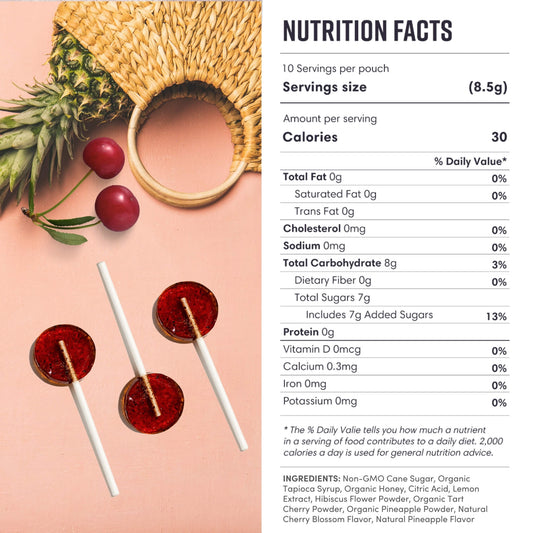
So yeah, dealing with motion sickness is a real pain, but it feels good to know there are options out there that won’t just put you to sleep. Figuring out what causes it and what you can do about it really puts you back in control. Whether it’s something you buy at the store or get from your doctor, there are ways to travel without feeling miserable. And hey, for a different approach, Momma Bear Organics nausea lollipops are a pretty sweet way to help calm your stomach! Just remember, it’s always smart to chat with a doctor to make sure you’re doing what’s best for you.
For me, it’s still a bit of a trial-and-error process. Some days are better than others, and sometimes I forget to take something before a trip and just have to tough it out. But I feel a lot less helpless than I used to. Just knowing I have a few tricks up my sleeve makes all the difference.