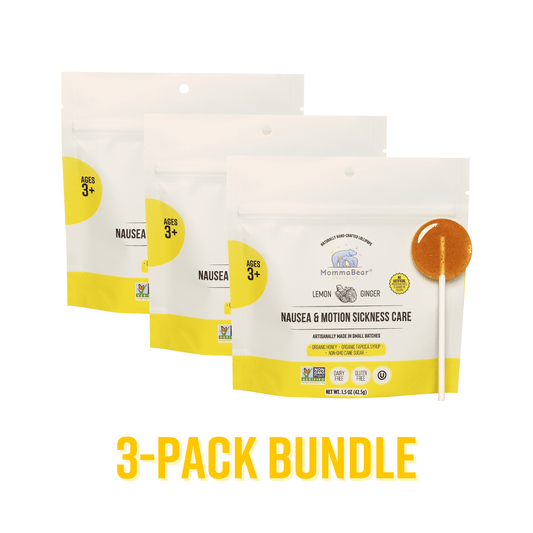
Ugh, nausea. It’s just one of those things, isn’t it? That awful, queasy feeling that can totally derail your day. I’ve had my fair share of it, whether from a bumpy car ride or something I ate that my stomach just decided it wasn't a fan of. Finding something that works, and works fast, feels like a lifesaver. So, I wanted to just kind of talk through what I’ve learned about it, what that feeling actually is, and what you can grab from the drugstore that might help.
Understanding Nausea: Causes and Symptoms
Before I even think about what to take, I try to figure out why I'm feeling this way. Nausea is just so weird. It's that sick feeling in your stomach, that "I think I might be sick" warning bell. And it’s not just physical; it can make you feel anxious and just completely off. I’ve come to think of it as my body's emergency brake, you know? It’s like it’s screaming, "Hey, something's not right in here!"
Common Triggers of Nausea
It feels like a million different things can set it off. This is kind of my mental checklist of the usual suspects.
-
Motion sickness from travel
-
Food poisoning or eating spoiled food
-
Overeating or consuming spicy or fatty foods
-
Nervousness or anxiety
-
Hangovers from alcohol consumption
-
Medications, especially opioid pain relievers
Knowing what causes it for you is half the battle, I think. Like, I know I get carsick easily, so I've learned that ginger chews are my best friend on road trips. And yeah, anxiety is a big one for me. Sometimes just taking a few deep breaths can make a world of difference when I feel that nervous queasiness starting up. It's all connected. I've also heard that things like migraines can make it way worse, so if it's happening all the time, it's probably a good idea to chat with a doctor.
Recognizing the Symptoms of Nausea
Everyone probably feels it a little differently, but for me, these are the classic signs that things are about to go south.
-
Unpleasant or queasy feeling in the stomach
-
Increased salivation
-
Loss of appetite
-
Lightheadedness or dizziness
-
Abdominal discomfort or cramping
When I start noticing these, I know I need to do something quick. It's not just the stomach stuff, either. Sometimes I get super irritable or have this weird sense of dread, which is just the worst. I actually tried keeping a little note on my phone for a while, just jotting down when I felt sick and what was going on. It sounds a bit much, but it honestly helped me connect the dots between my triggers and the feeling itself.

The Role of Anti-Nausea Medicines
Okay, so let's talk about the actual medicines. These things are designed to calm down that awful sick feeling and, you know, the urge that comes with it. And honestly, they can be a total game-changer. When you feel that miserable, having something that can turn it around is just everything. They really do help you get back to feeling like a normal person again.
How Anti-Nausea Medicines Work
So, how do they actually do that? I did a little reading on this because I was curious. It seems like a lot of them work on your brain, specifically the part that controls vomiting. They basically block the little messengers, or neurotransmitters, that are sending those "time to be sick!" signals.
Here are the main types I've come across:
-
Antihistamines, which are great for motion sickness.
-
Serotonin antagonists, which I think are more for serious stuff like after surgery or chemo.
-
Prokinetic agents, which help get your stomach moving properly.
It’s kind of cool knowing there are different tools for different problems. Sometimes doctors even combine them for really tough cases, like for people going through chemo. It's all about finding the right switch to turn off.
Safety and Side Effects of Anti-Nausea Medicines
Now, even though you can buy them at the store, you still have to be smart about it. They’re generally safe if you just need them here and there, but they can have side effects.
Here are some things I’ve noticed or read about:
-
Drowsiness or sedation
-
Dizziness
-
Dry mouth
-
Constipation or diarrhea
It's so important to actually read the label and do what it says. If you feel really weird or have a bad reaction, it’s probably best to call a doctor. I also know you have to be extra careful if you're pregnant or have other health issues. It's always better to ask a professional than to just guess and hope for the best.
Top Over-the-Counter Anti-Nausea Medicines
Walking down the pharmacy aisle can be overwhelming. There are so many boxes! But a few seem to be the most common, and they're the ones I've either used or heard the most about.
Antihistamines for Nausea Relief
I feel like everyone knows about dimenhydrinate (Dramamine) and meclizine (Bonine). These are my absolute go-tos for motion sickness. They work by blocking those brain signals that get all scrambled up when you're moving, which is a lifesaver on a boat or a winding road.
My trick is to take one about an hour before I travel. It seems to head the nausea off before it can even start. The only downside, and it's a big one, is that they can make you super drowsy. So, yeah, not the best if you’re the one driving! But for a long flight where you want to sleep anyway? Perfect.
Bismuth Subsalicylate Products
Ah, the famous pink stuff. Bismuth subsalicylate, the magic ingredient in Pepto-Bismol, is what you want when your stomach is just generally upset—like from indigestion or diarrhea. It works by basically coating your stomach lining, which calms everything down.
One thing I learned, though, is that you should stay away from it if you're allergic to aspirin, since they're related. But for a simple case of eating too much spicy food, it can be a real comfort. It helps slow things down and just soothes your whole digestive tract. Just don't go overboard, because I’ve heard it can, you know, back things up if you take too much.
Antacids and Their Anti-Nausea Properties
Sometimes, that sick feeling is really just acid reflux in disguise. When that's the case, simple antacids like Tums or Rolaids can be surprisingly effective. They just work by neutralizing the acid in your stomach.
I find these are the best choice when the nausea comes with that tell-tale heartburn or sour taste. Some of them even have stuff in them to help with gas and bloating, which is a nice bonus. It's a quick fix, but probably not something to rely on all the time, since messing with your stomach acid too much can't be good in the long run.

Choosing the Right Anti-Nausea Medicine for You
Okay, so with all these options, how do you even decide? It can feel like a guessing game sometimes. I usually just try to pause and think through a few things before I grab a box off the shelf.
Factors to Consider When Choosing an Anti-Nausea Medicine
Here’s kind of what goes through my head:
-
The cause of nausea (Is it motion sickness? Did I eat something weird?)
-
Any existing medical conditions or allergies (Like that aspirin thing.)
-
Potential interactions with current medications
-
Any side effects or personal sensitivities to the formulated ingredients
Taking a second to think about it really does help. If I'm about to get on a plane, I’ll grab the Dramamine. If my stomach just feels off after dinner, I’ll reach for the Pepto. But if the nausea is really bad, like from a medical thing, that’s a whole different story and probably needs a prescription-strength solution like ondansetron.
Consulting with a Healthcare Professional
And that’s the big thing—if the nausea just won't go away, or if you have other health stuff going on, it’s honestly best to just talk to a doctor. They can figure out what’s really happening and get you on the right track.
Sometimes you need something stronger, and a doctor can help with that. Plus, they might suggest things that aren't medicine at all. I mean, I’ve heard about things like diet changes or even acupuncture helping people. It's about getting the full picture, right? So you're not just treating the sick feeling but maybe getting to the bottom of what’s causing it in the first place.
Tips for Preventing Nausea
Lately, I’ve been trying to focus more on just avoiding nausea to begin with. It’s so much better to not feel sick at all than to have to fix it later. It's all about making small, smarter choices that keep my stomach happy.
Dietary Changes to Prevent Nausea
When I do feel a little off, I stick to super bland foods. But to prevent it, I try to keep these things in mind.
-
Avoiding greasy or spicy foods
-
Eating smaller, more frequent meals
-
Staying hydrated with clear fluids
-
Avoiding caffeine and alcohol, especially before travel
These little tweaks have made a huge difference. I’m also a big believer in ginger. Ginger tea, ginger ale, little ginger chews—they all seem to have this amazing calming effect on my stomach. I also read somewhere that foods with vitamin B6, like bananas, can help. Worth a shot, right?
Lifestyle Modifications for Nausea Prevention
It’s not just about food, though. Other little habits can make a big impact.
-
Practicing stress management techniques, such as yoga or meditation
-
Avoiding drastic changes in posture too quickly (especially after eating)
-
Ensuring a stable environment during travel, such as focusing on the horizon when feeling nauseous
I’ve found that just being more mindful helps. A little bit of light exercise, like a walk after dinner, seems to help my digestion. And getting enough sleep is huge—I’m definitely more prone to feeling sick when I’m exhausted. It all adds up.
It’s a lot to take in, I know. But just knowing a little more about what’s going on in my body and what my options are has made me feel so much more in control. There are some great natural options out there, too, which is something we love exploring here at Mama Bear Organics. It’s all about listening to your body, trying things out, and finding what makes you feel better. It’s a bit of a journey, isn't it? Learning what works for you.