Lollipops are one of those things, aren't they? They just make you smile. My kids love them, and honestly, so do I. They’re so bright and come in a million flavors, and it’s hard to say no. But like with any treat, I've started to wonder what's actually in them, especially when it comes to calories. I’m trying to be more mindful about what we eat, so I thought I’d just... look into it. I wanted to see what the deal is with different lollipops, compare a few, and figure out how we can still enjoy them without me feeling guilty about it.
Understanding the Caloric Content of Lollipops
So, calories. It’s just a word we throw around, but what does it really mean for something like a lollipop? It's basically just energy, and in candy, that energy comes almost entirely from sugar. It’s not like eating a piece of fruit that has vitamins and fiber and all that good stuff. It’s more of a quick little energy hit, which is fine, but it doesn't really give our bodies anything nutritious to work with.
And I was surprised to see how much the calorie count can change from one lollipop to another. It really depends on the size and what they put in it. It seems like more people are paying attention to labels these days, which is good! I started looking into how they even figure out the calorie numbers. Apparently, even the little things like flavorings can make a tiny difference, so you really do have to read the fine print if you’re curious.
The Science Behind Calorie Counting
I was reading about how they count calories, and it’s actually pretty scientific. They basically burn the food to see how much energy it releases. Super weird to think about, right? But what’s even crazier is that how our own bodies use those calories is totally different for everyone. It depends on your age, how fast your metabolism is, things like that.
The basic idea is that carbs and proteins have about four calories per gram, and fat has nine. Lollipops are almost all sugar, which is a carb, so that’s where the numbers come from. And I guess the type of sugar matters, too. I see high-fructose corn syrup on so many labels, and I’ve heard our bodies might handle that differently than regular old cane sugar. It's all a bit complicated, I mean, I'm no scientist, but it's interesting to think about.
How Candy Companies Determine Calorie Content
Candy companies have to do all this testing to figure out the nutrition facts. They look at every single ingredient and calculate how much energy it adds up to. They have these standard ways of testing to make sure the numbers are pretty accurate. I guess it’s all about being transparent so we know what we’re buying, which I appreciate.
And they usually base the info on a serving size, which helps. But you know, sometimes a production batch might be a little different, so the numbers aren't always exact down to the last calorie. Plus, now there are all these low-sugar or sugar-free lollipops popping up. The companies are always changing their recipes to keep up with what people want, and that changes the calorie count, too. It just means there are more options out there, each with its own story on the label.
Popular Lollipop Brands and Their Caloric Values
There are so many different lollipops out there, each with its own taste and feel. I started getting curious about how my favorites stack up against each other, calorie-wise. It helps to have a general idea so I can make a quick choice at the store without having to study every single wrapper.
Comparing Lollipop Brands by Calorie Count
Here’s the little cheat sheet I made for myself based on what I could find.
-
Chupa Chups: These are usually about 60 calories each.
-
Tootsie Pop: A classic! Also around 60 calories.
-
Dum-Dums: These little guys are only about 25 calories a pop.
-
Jolly Rancher Lollipops: A bit higher, around 70 calories.
It just goes to show they aren't all the same. I was kind of surprised. For a quick little treat, something like a Dum-Dum is a pretty good choice, you know? They’re small, they come in a ton of flavors, and they don't pack a huge calorie punch. They're perfect for my kid’s birthday parties so everyone can have a little something sweet without going overboard.
High-Calorie vs Low-Calorie Lollipops
The lollipops with more calories are usually the fancier ones. Maybe they're bigger, or they have a chocolate coating or a gooey center. Those are definitely a once-in-a-while kind of treat for a special day. A brand like Jolly Rancher really nails those super-intense flavors that just last and last, so I get why people love them.
But then you have the lower-calorie ones that are more straightforward—pretty much just sugar and flavor. And now, so many companies are making sugar-free versions with sweeteners like stevia. It's nice to have that option if you're really watching your sugar but still want that lollipop experience. I guess it’s all about finding what works for you. Sometimes you just want something small and sweet, and other times you want to go all out. It’s just about knowing the difference and choosing what feels right.
The Impact of Lollipop Ingredients on Calorie Count
It’s pretty obvious that what’s in the lollipop makes all the difference for the calorie count. Digging into the ingredient list was a real eye-opener for me.
For example, sometimes you’ll see lollipops made with natural fruit flavors. I used to think that sounded healthier, but if they use real fruit sugars, it can actually add a few more calories. Then there are the ones with synthetic flavors, which might have fewer calories but, you know, they're synthetic. It feels like everyone is leaning more towards natural stuff these days, trying to avoid all the artificial additives.
Role of Sugar in Calorie Content
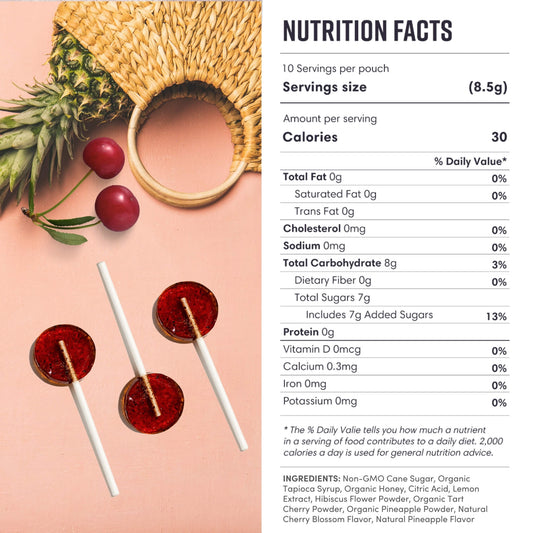
Sugar is the big one here. It’s the main ingredient in most lollipops and where almost all the calories come from. Every gram of sugar has four calories, so if a lollipop has 15 grams of sugar, boom, that’s 60 calories right there, just from the sweet stuff.
Because of that, if you're keeping an eye on calories, looking at the sugar content is the first place to start. And like I said before, the type of sugar might matter, too. High-fructose corn syrup is everywhere because it’s cheap and super sweet, but I keep reading things that make me wonder if it’s really the best for our bodies. It just feels like there’s more to it than just a simple number.
Influence of Flavorings and Additives on Calories
Things like flavorings and other extras can add up, too. If a lollipop has a creamy filling, that usually means more sugar and fat, which means more calories. The colors and preservatives don’t really add much, calorie-wise, which is good to know.
And then there are the artificial sweeteners they use in the low-cal options. They definitely cut down the calories, but then you have to think about whether you're okay with sweeteners. I've heard mixed things, and honestly, sometimes they just don't taste the same. They might not satisfy that craving the way a real sugar lollipop does. It feels like a trade-off, and I'm still trying to figure out where I land on that one.
How to Incorporate Lollipops into a Balanced Diet
Even with all the sugar, I really believe there’s a place for lollipops in life. It’s all about moderation and just being mindful about it. You don’t have to cut them out completely to be healthy.
Enjoying Lollipops While Maintaining Calorie Goals
If you're tracking your calories, you just have to plan for it. Maybe you set aside a small "treat budget" for the week, or you just make sure to have a lollipop after a really healthy meal. That way, it feels like a real treat.
I've also found that just taking my time with one helps a lot. If I savor it, it lasts longer and satisfies my sweet tooth without me immediately reaching for another one. And having a glass of water with it helps, too. It’s just a little trick to make it feel more like a special moment instead of just mindless eating.
Alternatives to High-Calorie Lollipops
If you really want something sweet but are worried about the calories, there are definitely other options. The sugar-free lollipops are an obvious one. Or, you could try making your own! I’ve seen recipes using real fruit juice, which sounds like a fun project to do with the kids. That way, you know exactly what’s going into them.
I’m also seeing more lollipops with organic or natural ingredients. They tend to have fewer artificial things, which makes me feel a little better about them. Some brands are even adding things like spirulina or chia seeds—I mean, a superfood lollipop, who would have thought? It’s just about being open to trying new things and finding what makes you and your family happy without feeling like you’re overdoing it.
Frequently Asked Questions About Lollipop Calories
When you start looking into this stuff, a lot of questions pop up. It’s good to talk about them so it all feels less confusing.
Debunking Myths About Lollipop Calories
There's this idea that you have to avoid all sweets to be healthy, and I just don't think that's true. Of course, eating a ton of high-calorie lollipops isn't a great idea, but having one now and then is perfectly fine. It’s about balance, not banning things. Sometimes, a little treat is just a nice mental break, a little moment of happiness in a long day. It’s about enjoying it without the guilt.
Another thing is the whole "sugar-free is always healthier" myth. They might have fewer calories, but they’re full of artificial sweeteners, and some people just don't want those. Plus, I find that sometimes they don't hit the spot, and then I end up wanting something else anyway. It's better to just understand what you're eating and make a choice that feels right for you.
Addressing Common Concerns About Candy Calories
I get it, people worry that having a lollipop will mess up their health goals. But really, as long as it's just an occasional thing and part of an overall healthy diet, it’s okay! It’s all about being mindful. Having a lollipop as a little reward or as part of a celebration feels special and adds a bit of joy to life.
I’ve started making it a habit to just glance at the label. It gives me a better sense of what I’m choosing. Some options out there use natural fruit extracts or organic ingredients, which feel like a more wholesome choice. It’s kind of fun to explore the different brands and find ones that taste great and that I can feel good about giving to my family.
Conclusion
It's funny how something as simple as a lollipop can get you thinking so much. It’s not about making it complicated or stressing over every single calorie. For me, it’s just about being a little more aware. Knowing that I can give my kid a smaller lollipop instead of a giant one and that it makes a difference... that feels like a small win. It’s just one more piece of the puzzle in trying to raise healthy, happy kids without being the mom who says "no" to everything fun. It’s a balance, I guess. It’s always a balance.