Lollipops are one of those things, aren't they? They just feel like childhood. I see one and I’m instantly back at a birthday party or picking one out at the movie theater. My kids are the same way, their eyes just light up. It's hard to say no to that kind of simple joy. But lately, I’ve started thinking more about what’s actually in them, you know? Especially with trying to make healthier choices for my family. So I went down a bit of a rabbit hole trying to figure out how many calories are really in a single lollipop.
Understanding Caloric Content
Okay, so "calories." The word gets thrown around so much, but I had to stop and think about what it actually means. I used to just think of it as a number that you're supposed to keep low, but it's really just... energy. It's the fuel our bodies need to do literally everything, from running around the park with the kids to just breathing. Without enough, you just feel drained and sluggish. I’ve definitely had those days.
What are Calories?
Basically, a calorie is a tiny unit of energy. On food labels, they’re usually talking about kilocalories, which is just a thousand of those tiny units. It’s all about where that energy comes from. Carbs and proteins give you about four calories for every gram, but fats give you more than double that, like nine calories per gram. It’s why a handful of nuts can have more calories than a bigger snack that’s mostly carbs. It’s not just about the amount of food, but what it’s made of. It took me a while to really get that.
How are Calories Measured?
So how do they even figure this stuff out? I was curious, and it turns out there are a couple of ways. Most of the time, for stuff like lollipops, they use something called the Atwater system. It’s basically a math equation using the average calories for carbs, proteins, and fats in the food. It's simple and gets the job done for the nutrition label.
Then there’s this other way, bomb calorimetry, which sounds way more intense. They literally burn the food in a little chamber to measure the heat it gives off, which tells them exactly how much energy is in it. It’s super precise, but it seems like it's mostly for lab research. So yeah, the numbers on the package are usually from that first method.
The Science Behind Lollipop Production
Watching a video of how lollipops are made is kind of mesmerizing. It’s all just this hot, gooey sugar that gets molded and cooled. It seems so simple, but that simplicity is where all the energy is packed in.
Ingredients Used in Lollipops
Here’s what’s usually on the list. The main thing, obviously, is sugar. A lot of them also have corn syrup, plus flavorings and colors to make them fun. Sometimes they’ll add a little citric acid to get that tart, fruity taste. It's mostly just sugar, though. I have seen some newer ones popping up that use other things like stevia to cut down on the sugar, which is an interesting idea for people who are really watching that stuff.
The Caloric Impact of Sugar
Sugar is pure energy, which means it’s packed with calories. Every gram has about 4 calories, and since a lollipop is almost all sugar, it adds up fast. It’s wild to think that over 90% of the calories in a normal lollipop just come from the sugar alone.
And we all know what sugar does to the body, right? You get that immediate burst of energy—I see it in my kids all the time—but then comes the crash. It’s a super quick spike in blood sugar, and then it drops, and suddenly everyone’s tired and cranky. It makes you want another one just to get that feeling back, and that’s a cycle I’m really trying to be mindful of.
Breaking Down the Calorie Count in a Lollipop
So, when you ask how many calories are in a lollipop, the real answer is, "it depends." The size and flavor can change things up quite a bit.
Calorie Count in Different Sizes of Lollipops
This is the general breakdown I keep in my head now.
-
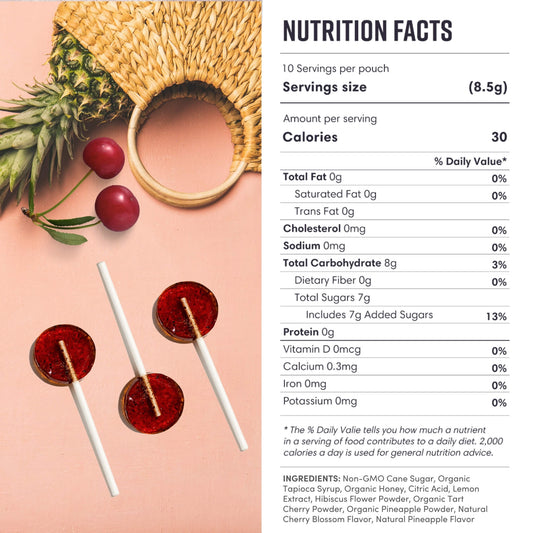
Mini Lollipop (approximately 6 grams): 30 calories
-
Standard Lollipop (approximately 16 grams): 50-80 calories
-
Large Lollipop (approximately 32 grams): 100-150 calories
A tiny one seems like nothing, but if the kids grab a few throughout the day, those calories can sneak up on you. It's something I’m trying to be more aware of, just the cumulative effect of all the little things.
How Flavor Affects Calorie Count
I used to think flavor wouldn't make a difference, but it can. If you've got a lollipop with chocolate or a creamy swirl in it, that's going to add more calories because of the cocoa and fat. Most of the plain fruit-flavored ones are pretty much in the same ballpark, even if they use real fruit juice. So, it's not a huge difference most of the time, but it’s something to keep in mind if you're really paying attention. Always worth a peek at the label.
Comparing Lollipop Calories to Other Sweets
It’s always a negotiation at the checkout line, right? If not lollipops, then what? So I’ve thought a bit about how they stack up against the other usual suspects.
Lollipop vs. Chocolate Bar: A Caloric Comparison
A regular chocolate bar can easily have over 200 calories, which is way more than even a big lollipop. The thing I like about a lollipop, though, is that it lasts so much longer. A chocolate bar is gone in, what, a minute? A lollipop can last a whole car ride. So you get a longer-lasting treat for fewer calories. That feels like a better deal to me sometimes.
How Lollipops Stack Up Against Gummy Bears
Gummy bears are tricky. Just one is only a few calories, but who eats just one? A little handful can easily be 100 calories or more, so it's pretty similar to a big lollipop. For me, it comes down to the experience. Sometimes you want something chewy, but other times, having a single, hard candy that you have to savor feels a little more intentional and less like mindless snacking.
The Impact of Lollipop Consumption on Health
Look, I’m all for treats. Life’s too short not to have them. But it's all about finding a balance, especially when it comes to sugar and the kids.
The Effect of Sugar on the Body
We all know too much sugar isn't great. I mean, I worry about everything from cavities to just making sure my kids are getting the nutrients they actually need. And that sugar rush-and-crash cycle is real. It can really mess with their mood and energy levels. It’s not about being the food police, but just knowing that what they eat really does affect how they feel.
Moderation and Balanced Diet: Key to Healthy Snacking
For us, it really comes down to moderation. A lollipop isn't an everyday thing, it's a special treat. And when we have one, we enjoy it! By making sure most of our snacks are things like fruits, veggies, and whole grains, having a sweet here and there feels totally fine. It’s part of a happy, balanced life, not something to feel guilty about. I’m always on the lookout for better options, too, like lollipops with natural sweeteners or real ingredients, which makes me feel a little better about saying "yes" when they ask.
Conclusion
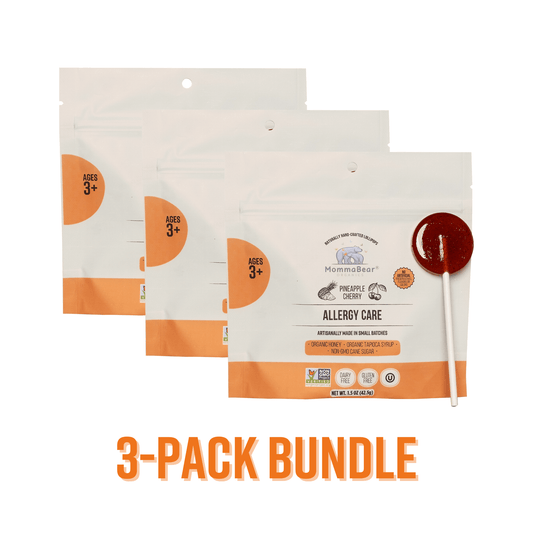
So yeah, that’s where my head’s been at with lollipops. It’s not really about counting every last calorie, but just being a little more aware of what we’re eating. It's funny, the things you start researching when you become a mom. It's not about being perfect, just about making thoughtful choices. And honestly, it’s nice to know that there are options out there, like the ones from Momma Bear Organics, that let you have the fun of a treat without so much of the other stuff to worry about. It just makes things a little easier, you know?