Understanding Herbal Supplements
What are Herbal Supplements?
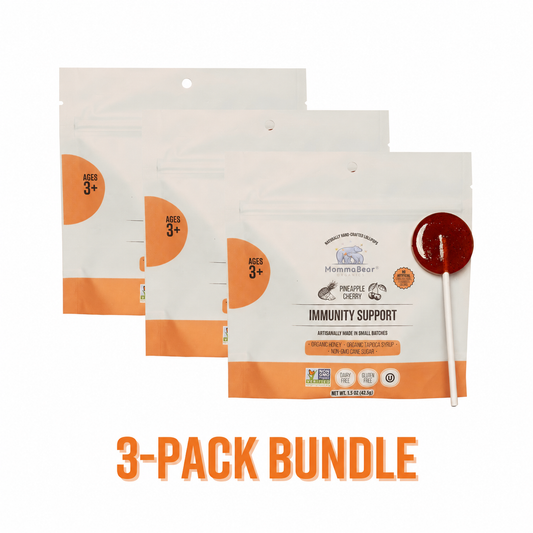
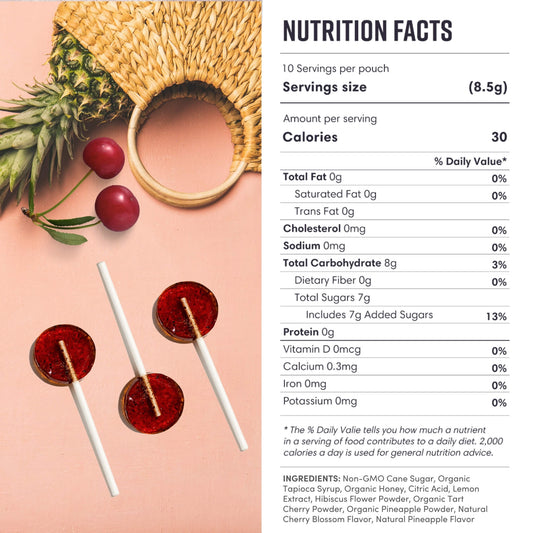
Okay, so let's talk about herbal supplements. It’s a world I’ve been dipping my toes into, and honestly, it can be a bit overwhelming at first. You see them everywhere, right? They're basically products made from plants—think capsules, teas, powders, even lollipops—that are meant to support our health in some way. I’ve used them for everything from trying to boost my immune system to just helping me chill out at the end of a long day.
The big thing I had to wrap my head around is that they’re not like the medicine you get from a pharmacy. Those drugs go through years and years of super strict testing before they can be sold. Herbal supplements... well, they don't really have that same process. That's not a bad thing, necessarily, it just means you have to be your own advocate, you know? Do your own homework and talk to people you trust before you start taking on something new. The way they’re made and the amount you take can make a huge difference, and what works for one person might not work for you.
The History of Herbal Supplements
It’s kind of amazing when you think about it. People have been using plants to feel better for... well, forever. Long before there were modern drugstores with aisles of brightly colored boxes. I was reading about things like Traditional Chinese Medicine and Ayurveda, and it’s like this massive, ancient library of knowledge passed down through generations. People just knew which plants helped with what.
And now, it feels like we’re all coming back to it, maybe because we're a little tired of all the synthetic stuff and are looking for something more natural. I mean, it's pretty cool that scientists are now starting to study these herbs and are finding that a lot of that ancient wisdom was spot on. It feels like we’re finally bridging the gap between old traditions and new science. As this stuff gets more popular, there's more focus on making sure what we're buying is actually good quality, which makes me feel a lot better about it all.
The Benefits of Herbal Supplements
Boosting Immune System
This is a big one for me, especially with kids in the house who seem to bring home every single germ from school. The immune system. I’m always looking for a little extra help there. You hear about things like echinacea, elderberry, and astragalus all the time, right? The idea, as I understand it, is that they kind of give your body's defense team a little pep talk, maybe helping it build more of the good cells that fight off sickness.
I’ve read that taking some of these can maybe shorten a cold or flu, which any parent will tell you is a total win. It's just a more natural way to feel like you're giving your body a fighting chance. And some people say these herbs can also help keep your immune system from going into overdrive, which is something I never even thought about before. So yeah, it seems like it's all about finding a nice balance.
Improving Digestive Health
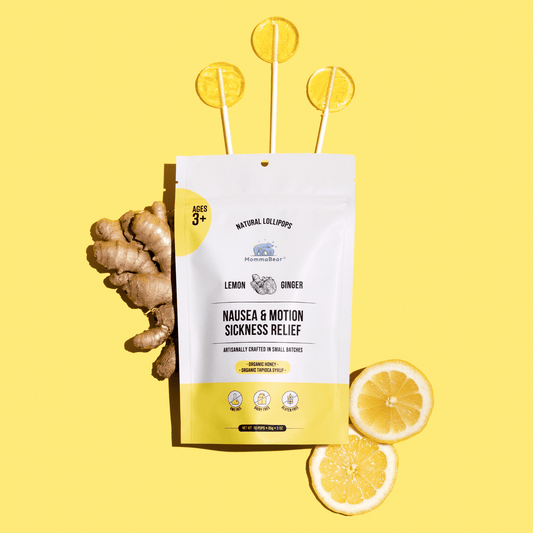
My stomach can be… sensitive. So this part is huge for me. It turns out that ingredients like peppermint, ginger, and turmeric aren't just for fancy teas; they have a long history of helping with tummy troubles. I’ve found they can really calm things down when my digestion is acting up or I just feel bloated and uncomfortable.
Honestly, it feels a lot better to me than just popping an over-the-counter pill sometimes. It's like you're soothing your body with something gentle. I've also heard that things like fennel and chamomile are great for when stress is tying your stomach in knots. It makes sense, right? A calm mind can lead to a calm gut. For me, it’s not just about fixing a problem in the moment but helping my whole system work better in the long run.
Potential Risks and Side Effects
Interactions with Prescription Medications
Okay, so this is the really, really important part. Because herbal supplements are powerful, that also means they can mess with other things you’re taking. I used to think, "Oh, it's natural, it's totally fine," but that's not always true. It’s a huge blind spot for a lot of us.
Like, I read that St. John’s Wort, which a lot of people use for mood support, can actually make some prescription medications less effective. That's genuinely scary to think about. That's why it's so critical to tell your doctor everything you’re taking—and I mean everything. Even things like garlic supplements can affect blood clotting. It just goes to show you that everything in your body is connected, and you have to look at the whole picture.
Allergic Reactions and Other Side Effects
And then there’s the fact that you can just be plain allergic to a plant, you know? It might show up as a rash, or an upset stomach, or something more serious. Plus, some herbs have their own side effects that aren't talked about as much. Too much kava can supposedly be tough on your liver, and I’ve heard valerian root can give some people headaches.
It's just so important to listen to your body. If something feels off after you start taking something new, stop. It’s that simple. And talk to someone who knows their stuff. Another thing I've learned is that the quality of these supplements can be all over the place. Sometimes cheap products can have weird contaminants in them, which is another reason to really trust the company you're buying from. It’s worth being picky.
The Role of FDA in Regulating Herbal Supplements
The Dietary Supplement Health and Education Act
This whole FDA thing with supplements is kind of the wild west, and it took me a while to figure it out. Basically, there was this law passed back in 1994 that classifies herbal supplements as food, not drugs. Which is a huge difference.
What it means is that the companies themselves are responsible for making sure their stuff is safe and that the label is accurate. The FDA doesn't check it before it hits the shelves like they do with prescription drugs. This was a real eye-opener for me. It puts a lot of the responsibility on us, the people buying it, to be smart and do our own research. You really can’t just grab the first bottle you see.
Current Regulations and Controversies
So because the rules are a bit loose, the supplement industry gets a lot of heat, and sometimes for good reason. There have been stories about products being contaminated with things like heavy metals, or the labels being just plain wrong about what's inside. You could be taking something that's way stronger or weaker than you think, which is unsettling.
There's a big debate going on about it. Some people want much stricter rules to protect everyone, while others worry that too much regulation will make it harder to get access to these remedies. I can see both sides, I guess. In the meantime, it just feels like we’re in a gray area, and it comes back to being a careful consumer and choosing brands that are transparent about what they're selling.
Tips for Choosing and Using Herbal Supplements Safely
Reading Labels Carefully
So, with all that in mind, here’s what I’ve started doing myself. I really squint at the labels now. I look for brands that seem trustworthy, maybe ones that get their products checked by some outside group. It just gives me a little more peace of mind.
Here’s kind of my mental checklist when I'm looking at a product:
-
What are the active ingredients?
-
What's the recommended dose?
-
Are there any potential allergens listed?
-
Where did the herbs come from? (Sometimes that matters!)
-
Is there a third-party certification seal?
It feels like a lot at first, but once you get the hang of it, it becomes second nature.
Consulting with Healthcare Professionals
And this is my golden rule, honestly. Talk to your doctor. Or a naturopath, or a registered herbalist, or whoever your trusted health person is. I was a little nervous at first, but now I just lay it all out on the table: "Here's what I'm thinking of trying, here's what else I take, what do you think?"
It just feels so much safer. They might have heard something I haven't, or they might know about a potential interaction I'd never think of. It's a team effort, right? Taking charge of your own health doesn’t mean you have to do it all alone.
Conclusion
It’s a journey, isn't it? Figuring all this out. Some days I feel like I’ve got a good handle on what my body needs, and other days it’s all just a big question mark. I guess the goal isn’t to be perfect or to have all the answers, but just to keep listening and learning. Trying to do the best you can with what you know. That's probably enough.