Understanding Allergies During Pregnancy
Pregnancy is just... a whole thing, isn't it? So beautiful and wild, and my body is doing things I never expected. One of the weirder surprises for me was how my allergies went completely haywire. Things I was barely allergic to before suddenly had me sneezing my head off, and I swear I developed new sensitivities I never had. It’s so important to get a handle on what’s happening, you know? Because you’re trying to manage your own sniffles and itchy eyes while also worrying about making sure the little one is safe and sound.
Common Allergies in Pregnant Women
It turns out, all the usual suspects can crash the party during pregnancy. This is what I’ve been dealing with, and what my doctor said is super common:
-
Pollen allergies (hay fever)
-
Dust mite allergies
-
Pet allergies
-
Food allergies, particularly to nuts, dairy, or shellfish
Some days it feels like just a stuffy nose, but other times it can feel way more serious, and that’s scary. Figuring out what sets you off is half the battle. Like, I’ve started actually checking the pollen count on my weather app before I decide to go for a walk, which is something I never thought I’d do. And with food, it’s a whole other level of label-reading and second-guessing, all while trying to eat enough for two.
Why Pregnancy Can Exacerbate Allergies
I asked my doctor why this was even happening, and it’s all down to hormones, apparently. The same ones that are helping this baby grow are also making my immune system act all strange and over-sensitive. I used to think a stuffy nose was just a stuffy nose, but when you’re pregnant, it can feel so much worse and just seems to linger forever. And it can turn into a sinus infection so easily. On top of that, my skin has been so much more sensitive, little rashes popping up out of nowhere.
And let’s be real, the stress of it all doesn’t help. I mean, you’re already worried about a million other things, and then you add allergies on top of it. I’ve been trying to do some prenatal yoga—or at least just sit and breathe for five minutes when I can—and I do think it helps. Anything to feel a little more in control and actually enjoy this time instead of just feeling miserable and sneezy.
The Dangers of Traditional Allergy Medications for Pregnant Women
So, my first instinct when the allergies got bad was to reach for the same pills I’ve always taken. But then this wave of panic hit me... what if it's not safe? You start reading the back of the boxes and it’s a rabbit hole of warnings. It's so hard to know what's okay and what's not.
Risks Associated with Antihistamines
Antihistamines are usually the first thing you think of for allergies, right? But I was reading that some of them might not be great for the baby. You see things about potential complications and it's just, well, terrifying.
-
Low birth weight
-
Preterm delivery
-
Potential developmental issues in the child
My doctor really stressed that I needed to talk to her before taking anything, especially in the first trimester when so much crucial stuff is developing. It really made me stop and think. It’s not just about getting quick relief anymore.
The Impact of Decongestants on Pregnancy
And then there are decongestants. That feeling of not being able to breathe through your nose is the worst, but the stuff that usually works, like the pills with pseudoephedrine, is on the "be careful" list. It can mess with your blood pressure, which is already doing weird things during pregnancy, and might affect the baby. So yeah, I’ve had to find other ways to deal with a stuffy head, because it’s just not worth the risk. Things like a saline spray or just breathing in some steam from a bowl of hot water have become my new best friends.
Natural Allergy Relief Methods
After pretty much scaring myself away from the pharmacy aisle, I started looking into what I could do. I feel so much better trying natural things first, you know? It just feels safer, and a lot of this stuff is easy enough to do every day without adding more stress.
Dietary Changes for Allergy Relief
I really started to pay more attention to what I was eating, wondering if it could help. It makes sense that anti-inflammatory foods would calm things down. Here’s what I’ve been trying to focus on:
-
Incorporating omega-3 fatty acids from sources such as fish, flaxseeds, and walnuts
-
Increasing intake of fruits and vegetables rich in vitamins, particularly vitamin C
-
Avoiding known allergens and processed foods that may trigger reactions
I’ve also been adding more ginger and turmeric to my cooking. I’m not sure if it’s a magic bullet, but it tastes good and it feels like I’m doing something positive, which counts for a lot right now.
The Role of Hydration in Allergy Management
Staying adequately hydrated during pregnancy is pivotal for overall health and can also greatly assist in managing allergy symptoms. Proper hydration helps in thinning mucus, allowing for improved drainage and relief from nasal congestion. Pregnant women should aim for a minimum of eight glasses of water daily, noting that increased physical activity or hot weather may require an even higher intake. Moreover, herbal teas, such as peppermint or chamomile, can be soothing and hydrating, offering additional benefits like reducing inflammation and promoting relaxation.
Incorporating hydrating foods into the diet can also be advantageous. Fruits like watermelon, cucumbers, and oranges not only provide hydration but are also rich in vitamins and antioxidants that support the immune system. This dual approach of drinking plenty of fluids and consuming hydrating foods can create a comprehensive strategy for alleviating allergy symptoms while ensuring that both mother and baby remain healthy and well-nourished throughout the pregnancy.
Safe Medications for Allergy Relief During Pregnancy
For many expecting mothers, simply avoiding allergens and using natural remedies might not be enough to manage allergy symptoms effectively. In these situations, knowing which medications are safe can make a big difference.
Over-the-Counter Options
When considering over-the-counter options, you’ll find that antihistamines like loratadine and cetirizine are usually safe when taken as directed. Still, it's a great idea to chat with your healthcare provider before starting any new medications, even those you can get without a prescription. You might also discover that nasal saline rinses can be a helpful way to clear allergens from your nose and ease irritation without needing medicine. Plus, keeping yourself hydrated and using a humidifier can really help you feel more comfortable and reduce some allergy symptoms!
Prescription Medications for Severe Allergies
Thankfully I haven’t gotten to this point, but it's good to know there are options for when allergies get really, really bad. My doctor mentioned that if things got out of control, she could prescribe something stronger that’s still safe.
-
Intranasal corticosteroids, which can be effective in managing inflammation
-
Medical-grade saline sprays that can alleviate nasal congestion
It’s just a constant conversation with your doctor, really. Your body is changing so much that what worked last month might not work this month. It’s all about checking in and adjusting.
Non-Medication Allergy Relief Techniques
Beyond what you can eat or take, there are a few other tricks I’ve picked up that have been really helpful.
The Benefits of Nasal Irrigation
Okay, I’m not gonna lie, the first time I used a neti pot I felt ridiculous. But it actually works! Flushing everything out with warm salt water is such a relief. It feels clean and calming. It’s become part of my morning routine now, just a simple little thing that helps me breathe easier all day.
The Effectiveness of Acupuncture for Allergies
I haven't tried this one myself, but a friend of mine swears by it. She said it helped her hay fever so much during her pregnancy. The idea is that it helps calm your immune system down so it doesn't overreact to things. You’d definitely want to find someone who knows what they’re doing and has experience with pregnant clients, but it’s cool to know it’s an option out there. It’s supposed to be really relaxing, too, which is a bonus.
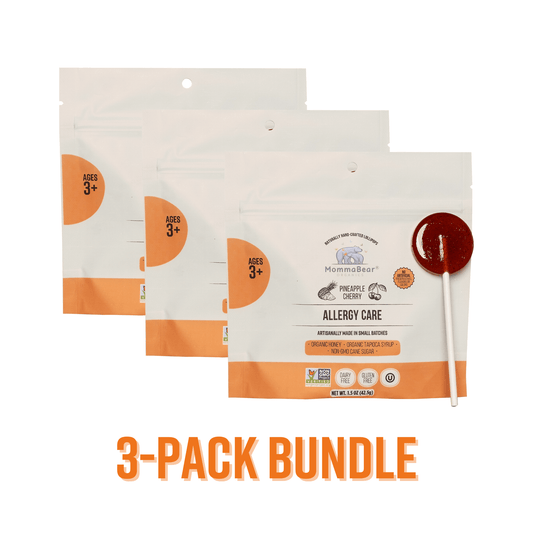
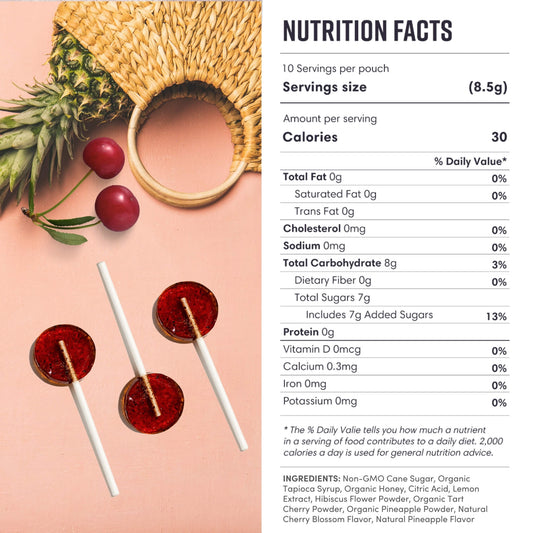
Honestly, just keeping the house clean, washing our bedding more often, and running an air purifier has made a noticeable difference. And I always shower when I come in from outside to wash off any pollen. It feels like a lot of little things, but they all add up. I’ve also been looking into supplements from MommaBear Organics . They have natural ingredients that are supposed to help with immune health and inflammation, which sounds like exactly what I need to round out all these other efforts.
It's all such a balancing act, isn't it? Trying to find what works, worrying about what's safe, and just trying to feel human while you grow one. Some days are good, some days I'm a walking, sneezing mess. But I guess I'm learning to be a little kinder to myself through it all. You just do the best you can, one day at a time.