Nausea. Ugh. It's one of those things that just breaks your heart as a parent. When your kid gets that pale look and tells you their tummy hurts, your own stomach kind of drops, doesn't it? It’s tough for them, and honestly, it’s tough for us, too. I've had my share of nights trying to figure out what's causing it and what on earth I can do to help them feel better without making things worse. So, I thought I’d just share what I’ve learned along the way, about the why's and the what-to-do's. It's not a perfect guide, but it’s what’s helped me muddle through.

Understanding Nausea in Children
That feeling is just...awful. That sick-to-your-stomach, uneasy feeling that something is about to happen. For a kid, I can only imagine it’s confusing and scary. It’s not the same for every child, either. Figuring out what’s actually causing it is half the battle, really. Once you have a hunch, it's easier to know what to do next.
Common Causes of Nausea in Children
I mean, sometimes it feels like a million different things could be the culprit. A lot of the time it’s something simple, but my mind always jumps to the worst-case scenario. It helps to have a mental checklist of the usual suspects.
Here are the things I usually run through in my head:
-
Infections, like a stomach bug. The classic.
-
Motion sickness. We know this one all too well from car trips.
-
Food issues, maybe something they ate just didn't agree with them.
-
Eating too much. Happens to the best of us, especially with rich or greasy food.
-
Feeling stressed or worried. I forget this one sometimes, but big feelings can definitely show up as a tummy ache.
Knowing the cause really does change how you handle it. If it's motion sickness, I know to grab the sick bags for the car and have them look out the window. But if I think it might be a food thing, I try to backtrack and figure out what they ate. It’s like being a detective.
Symptoms Associated with Nausea
Besides the obvious "my tummy hurts," there are other little clues that tell me something's up. It’s not always straightforward, especially when they’re little and can’t really explain it.
This is what I’ve learned to watch for:
-
Suddenly not wanting to eat their favorite snack.
-
Getting really pale or starting to sweat.
-
Complaining of a stomach ache.
-
Lots of burping or sighing.
-
Just being really tired and out of it.
If it seems really bad or just won’t go away, I don't hesitate to call the doctor. Better safe than sorry, you know? And I’m always on high alert for things like a fever or diarrhea, because that could mean it’s something more serious. Dehydration is the big worry, especially with vomiting. I just try to get them to take tiny, tiny sips of water or a clear drink. It feels like you’re not doing much, but it really helps.
Over-the-Counter Nausea Medicines for Children
Okay, so when things are mild, sometimes you just need a little something from the drugstore to get through it. There are options out there, which is great. But it can also be overwhelming. The most important thing I’ve learned is to find something made specifically for kids. It's just not worth the risk otherwise.
Antihistamines for Nausea Relief
I was surprised to learn that some antihistamines, like diphenhydramine and meclizine, can help with nausea, especially from motion sickness. I guess they work by blocking signals in the brain that make you feel sick.
But you have to be so, so careful. The dose is everything, and it changes based on how much your kid weighs. I always read the package like three times, or just call the pediatrician to be sure. The main side effect is that they can get super drowsy or have a dry mouth. It’s a good idea to just hang out with them after they take it to see how they do. Honestly, sometimes these work like a charm, and other times… not so much. Every kid is different. I’ve found that putting on a quiet movie or some calm music can help, too.
Bismuth Subsalicylate: Usage and Safety
Ah, the pink stuff. Bismuth subsalicylate (you know, Pepto-Bismol) is another one you see on the shelves. It works by coating the stomach, which can help calm things down.
But here’s something I learned the hard way—it’s generally not recommended for kids under 12 unless a doctor gives you the green light. There's a risk of something called Reye's syndrome, especially if they have a virus. I don’t know much about it, but the name alone is enough for me to be extra cautious. It’s just another reminder to always, always read the labels. Just because it’s easy to buy doesn’t mean it’s right for your little one. It's good for a lot of tummy troubles, but you just have to be smart about it.

Prescription Nausea Medicines for Children
Sometimes, what you can get at the store just isn't going to cut it. If things are more serious, a doctor might prescribe something stronger. It felt a little scary the first time, but knowing what these medicines are and how they work made me feel a lot more in control.
Antiemetic Medications: What Parents Should Know
Antiemetics are basically the heavy hitters for nausea and vomiting. A common one is ondansetron. They’re really good for more intense situations, like after surgery or during chemo. They work on the serotonin receptors in the brain to stop the nausea signals.
They can make a huge difference, but they can also have side effects, like headaches or constipation. The doctor will figure out the right dose. I’ve found it’s really important to talk openly with the doctor about when and how to give it, especially if the nausea is part of a bigger health issue. It helps make sure you’re doing the best thing for your kid.
Prokinetic Agents: Benefits and Side Effects
Prokinetics, like metoclopramide, are another option. I was told they help by getting the digestive system to move things along a bit faster, which can ease that backed-up, nauseous feeling.
They’re usually safe, but like anything, there can be side effects. They might make your child tired or have diarrhea. It’s rare, but there can be more serious neurological effects, so I make sure to watch my kids closely and call the doctor if anything seems off. Sometimes, just figuring out what’s causing the nausea in the first place—like a food issue—can mean you don’t even need the medicine. And simple things, like making sure they drink enough water or tweaking their diet, can work right alongside the medicine to help them feel better.
Natural Remedies for Nausea Relief
I’m always on the lookout for more natural ways to help, especially for those milder tummy aches. It just feels better to try something gentle first, you know? And a lot of families, including mine, have found that these can really help, and they just feel a little cozier than medicine.
Ginger and Its Anti-Nausea Properties
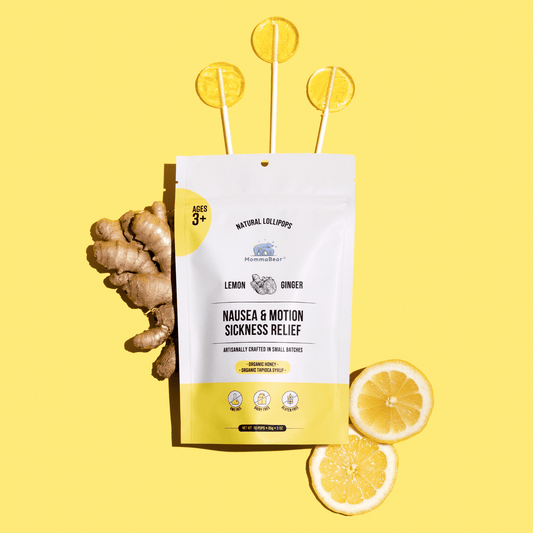
Ginger is my go-to. It's been used for forever, and for good reason! It has these compounds in it, gingerols and shogaols, that are thought to calm down the nausea signals in the brain. We use it in all kinds of ways—a warm ginger tea with a little honey, ginger candies, or a good quality ginger ale (I always check to make sure it has real ginger in it).
I read somewhere that it’s been shown to help with everything from motion sickness to nausea from chemo. It’s still a good idea to ask your pediatrician what they think is the right amount for your kid’s age. We’ve even made it a fun thing—making ginger tea together has become a little ritual when someone’s not feeling great.
The Role of Peppermint in Alleviating Nausea
Peppermint is another lifesaver in our house. The smell alone is so soothing. It’s supposed to help relax the stomach muscles. We usually do peppermint tea, but sometimes just smelling a bit of diluted peppermint essential oil can help. It seems to calm their tummy and their mood at the same time.
Just like with ginger, you have to be careful, especially with essential oils around little ones. I’ve found that blending a little peppermint into a smoothie or some yogurt is a great way to get them to have some when they’re feeling off their food. It’s nice to have options that they actually enjoy.
Administering Nausea Medicine to Children
Giving medicine to a kid can be… an adventure. It’s not always easy, but there are definitely things you can do to make it go a bit smoother.
Correct Dosage and Timing
This part is so, so important. Getting the dose right is everything. I always use the little cup or syringe that comes with the medicine, because a regular kitchen spoon just isn’t accurate. And paying attention to their weight and age is key since that’s what the dose is based on.
Timing matters, too! Some meds work better before they eat, some after. I usually just ask the pharmacist or doctor for the specifics. Sticking to a schedule also helps it feel like a normal part of the day, not some big, scary event.
Dealing with Medicine Refusal in Children
Oh, the struggle is real. The clamped mouth, the shaking head… I’ve seen it all. It’s frustrating when you know they need it to feel better.
Here’s what I’ve tried that sometimes works:
-
Giving a choice, if you can. "Do you want the cherry or the grape flavor?" It gives them a little bit of control.
-
Mixing it with a tiny bit of applesauce or juice. Just make sure it’s okay to do that with the specific medicine!
-
A sticker or a special story afterward can work wonders.
-
Explaining why in simple terms. "This will help your tummy feel all better so we can play later."
Sometimes just creating a calm, no-pressure vibe helps. A quick cuddle and a distraction can make all the difference. After they’ve taken it, I always keep an eye out for any side effects. I even jot down notes on my phone so I can remember what happened for the next doctor’s visit. It helps me feel more on top of things.
Conclusion
So, yeah. That’s a lot to take in when you’re worried about your little one. From OTC stuff to natural remedies, there are a lot of tools we can use. Sometimes it feels like you're just making your best guess, and I think that's okay. We know our kids best. The most important thing is to be careful, listen to them, and never be afraid to call the doctor. I’ve found that sometimes, all the medicine in the world can’t beat a cool washcloth, a quiet room, and just sitting with them. That seems to be the best cure of all.